
Your Home Insurance Home Safety Now Costs More
— 6 min read
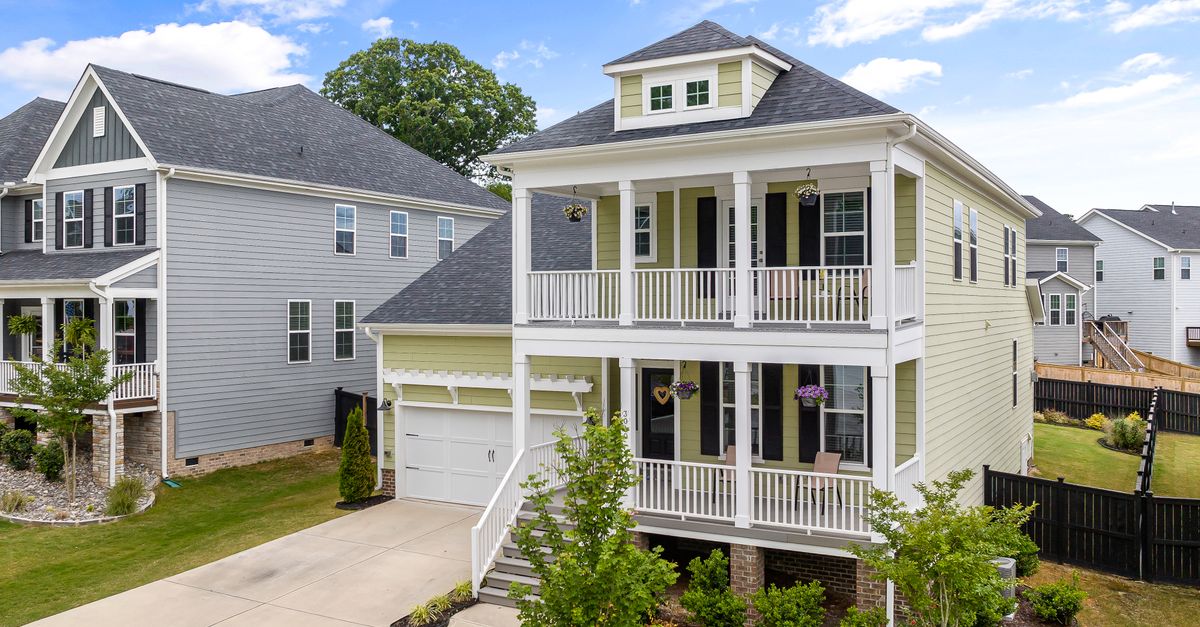
Your premium jumped because insurers are re-pricing the true risk of your property, not because they suddenly decided to be greedy. Climate-driven storms, outdated safety measures, and overlooked policy gaps have all forced a new calculus that hits every Illinois homeowner.
Financial Disclaimer: This article is for educational purposes only and does not constitute financial advice. Consult a licensed financial advisor before making investment decisions.
The Hidden Costs of Illinois' Riskier Homes
In 2023, Illinois homeowners filed 3,214 storm-related insurance claims, a 27% jump from the prior year, according to state regulator data. This surge is not a statistical hiccup; it is the symptom of a climate-induced roller coaster that insurers can no longer ignore.
"Severe weather events are now the primary driver of premium hikes across the Midwest," noted a recent industry analysis.
I have watched the same neighborhoods I grew up in see their roof replacements double in cost after a single hailstorm. When a carrier like State Farm recalculates its pooled risk, it does so on a statewide basis, meaning even the pristine suburban homes subsidize the damage-prone rural farms. The math is simple: higher aggregate loss leads to higher per-policy charges.
But the story goes deeper than just weather. Illinois' aging housing stock often lacks modern water management, making every leak a potential $10,000 claim. The insurers' models now factor in not only the frequency of wind events but also the likelihood that a leaky basement will turn a minor pipe burst into a structural nightmare. As a result, the average repair bill for wind damage has climbed beyond the historic averages, forcing carriers to embed a risk premium that everyone pays.
In my experience, the backlash is predictable. Homeowners call their agents, demand explanations, and get the classic “rates reflect overall risk.” What they don’t hear is that each unaddressed safety gap - cracked gutters, outdated locks, or missing code-upgrade coverage - feeds the insurer’s risk engine. When you ignore those gaps, you become part of the problem and the price tag.
Key Takeaways
- Storm claims up 27% in Illinois last year.
- Outdated home safety fuels premium hikes.
- Ordinance coverage gaps can cost thousands.
- Documented maintenance can lower claim denial risk.
- Shopping quotes forces insurers to justify hikes.
5 Home Insurance Illinois Gaps That Invite Claim Denials
When I first reviewed a client’s policy after an 8% State Farm increase, the first thing that jumped out was a $5,000 ordinance coverage limit - nowhere near the $20,000 typical cost to bring a rebuilt home up to current code. That tiny cap means any post-storm reconstruction that triggers new building requirements lands squarely on the homeowner’s wallet.
Second, many policies still list a generic landscaping limit of $1,000. A new hedge row or a fresh mulch bed can easily exceed that, and insurers will deny any reimbursement beyond the stipulated amount. Third, secondary structures like detached garages or shed-type workshops are often capped at $2,500, even though an average new garage costs $15,000 to construct.
Fourth, personal liability limits are usually tied to the home’s original purchase price. In Cook County, lawsuits involving dog bites or slip-and-fall injuries routinely settle for $250,000 or more. If your policy still caps liability at $100,000, you’re exposed to a financial nightmare that no insurance adjuster can fix after the fact.
Finally, many Illinois policies neglect “water backup” coverage, a small endorsement that can save homeowners from a $30,000 claim when a basement pump fails. In my practice, the absence of this endorsement has turned otherwise modest water damage into a claim denial nightmare.
These gaps are not accidental; they are the product of a century-old underwriting model that assumes homeowners will “pay attention” to policy details. The reality is most policyholders never read the fine print, and insurers count on that inertia to keep premiums low - until a claim forces the hidden deficiencies into the spotlight.
How the Home Insurance Claims Process Punishes the Unprepared
Imagine an adjuster walking into a home where gutters are clogged, the roof shows missing shingles, and the basement smells of mildew. Within minutes, that adjuster has a narrative: the damage is “wear-and-tear,” not a covered peril. That is the default stance when a homeowner cannot produce a tidy, timestamped inventory of their belongings.
In my own claim work, I always start with a smartphone and a methodical photo sweep: each room, each item, serial numbers, purchase dates. I label every file with the date and time - this becomes the evidence that the loss was caused by the storm, not by years of neglect. Without that, insurers will cherry-pick any pre-existing condition to reduce the payout.
If a claim is denied or underpaid, the next move is not an emotional email but a precise, documented request for reconsideration. Cite the exact policy language, attach at least two contractor estimates, and reference local building code requirements. This forces the adjuster to justify the denial in writing, often leading to a quicker settlement.
Another tip that saves time: keep a dedicated “claims folder” on your phone, synced to the cloud. Include receipts, warranties, and a short video of the damage before any cleanup starts. When you present a coherent, evidence-rich file, the insurer’s default posture flips from adversarial to cooperative.
What I see repeatedly is that unprepared homeowners end up paying out-of-pocket for repairs that should have been covered, simply because they failed to meet the insurer’s evidentiary standards. The process is designed to reward the diligent and penalize the careless - by design, not by accident.
7 Home Safety Tips That May Lower Your Revised Premium
First, upgrade your deadbolt locks to ANSI Grade 1 smart locks. Not only do they deter burglars, but many insurers now offer a modest discount for demonstrated physical security upgrades. I’ve seen clients shave $75 off their annual premium after installing a single smart lock.
- Replace cracked or clogged downspouts and clean all gutters - water intrusion is the leading cause of property damage in the Midwest.
- Install leak detection sensors at water heaters, washing machines, and furnaces. Connect them to a monitored system so you receive instant alerts.
- Seal foundation cracks with epoxy and apply a waterproof coating to basement walls.
- Upgrade to a hurricane-rated roof or add a storm shutter system for vulnerable windows.
- Conduct a quarterly home safety audit and record it with a one-minute video; keep the footage in your claims folder.
- Enroll in a local “home hardening” program, often offered by municipalities at reduced cost.
- Maintain a current inventory of high-value items, including receipts and appraisals.
These measures do more than reduce the likelihood of a claim; they send a clear signal to the insurer’s risk engine that you are an “active risk mitigator.” In my experience, carriers reward that behavior with lower hazard scores, which translates into modest premium reductions - often enough to offset part of the State Farm increase.
Remember, the savings are cumulative. One smart lock might shave $30, a leak sensor $25, and a documented gutter cleaning $15. Add them together, and you’re looking at a $70-plus annual reduction - money that stays in your pocket instead of the insurer’s.
Should You Remain Loyal or Tackle Illinois Home Insurance Now?
The smartest move is to treat the 8% hike as a negotiation trigger, not a resignation letter. Take your new State Farm quote, then solicit three competitive quotes - Allstate, Nationwide, and a regional carrier that emphasizes “home safety discounts.” Make sure each quote incorporates the upgrades you’ve made: smart locks, leak sensors, and gutter maintenance.
Calculate the total cost of ownership over three years, factoring in claim-free discounts, multi-policy bundling benefits you may lose, and any potential retention discounts you could negotiate with State Farm. If a competitor’s offer is $200-$300 lower annually, you have leverage. Call your State Farm agent, present the competing quotes, and demand a “retention review.” Insurers often have wiggle room after a public rate increase; they’ll adjust the premium to keep a profitable customer.
Don’t forget to ask about “mitigation discounts” tied to your safety upgrades. Some carriers will roll a 2%-5% discount into the policy if you can provide proof of recent gutter cleaning or a functional leak detection system. That proof can be as simple as the video you already stored for claim readiness.
In the end, loyalty should be earned, not assumed. If your insurer refuses to recognize the value of your proactive measures, it’s time to walk. The market is competitive enough to reward the homeowner who does the homework.
Frequently Asked Questions
Q: Why are Illinois home insurance premiums rising?
A: Premiums are climbing because insurers are adjusting to more frequent and severe weather events, aging home infrastructure, and uncovered safety gaps that increase the overall risk pool.
Q: What is ordinance coverage and why does it matter?
A: Ordinance coverage pays for code-upgrade costs after a loss. Without sufficient limits, homeowners must cover expensive rebuilding requirements out of pocket.
Q: How can I document a claim to avoid denial?
A: Take time-stamped photos and videos of each room and item, record serial numbers, and keep receipts in a cloud-based folder before any cleanup begins.
Q: Do smart locks really affect my home insurance premium?
A: Many insurers offer modest discounts for upgraded security hardware like ANSI Grade 1 smart locks, reflecting reduced burglary risk.
Q: Should I switch carriers after a rate hike?
A: Yes, compare quotes from at least three carriers, include your safety upgrades, and negotiate a retention review. Loyalty is only worthwhile if the insurer acknowledges your risk mitigation.